Why is My Air Plant Turning Brown? Reasons Explained

Air plants’ ever-growing popularity is partly due to their low-maintenance care needs. It is frustrating when the leaf tips turn brown, and the plant appears near to death. It isn’t always a sign that you haven’t cared well enough for your Tillandsia; often, it is just the opposite.

Over-watering and fertilizing are two of the biggest air plant killers; you might be killing them with kindness. Learn how to treat air plant leaves that have turned brown and how to prevent the problem from reoccurring.

What are Air Plants?

Air plants are the common name for Tillandsia, a genus of the Bromeliad family.

They are native to large portions of central and southern United States and much of Mexico.

Air plants are epiphytes; they don’t grow in soil. They rely on a mass of tiny, hair-like cells on their leaves to absorb moisture and nutrients from the atmosphere. The amount of ‘trichomes’ varies depending upon the species of plant and its natural climate.

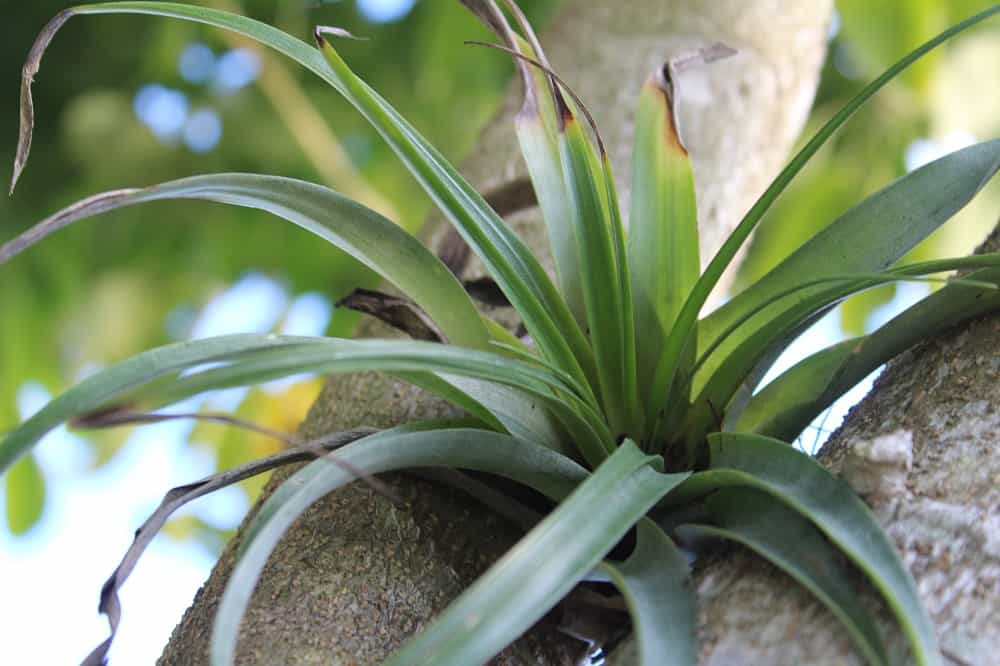
Tillandsias use their small root structure to anchor themselves to a substrate, typically a tree, rock, cliff face, or cacti.

The plant isn’t parasitic; it doesn’t drain anything from the host; they happily co-exist individually.

Why is My Air Plant Turning Brown?

The primary reason that air plants turn brown is that they’re thirsty.

Their native habitat usually has moderate to high humidity levels; conditions that should be replicated for them to thrive indoors.

Air plants need misting with water 2-3 times a week; they also require a lengthy soaking or dunking session where they fully rehydrate. These processes are carried out at different intervals, depending on the species, the environment, and the season.

Tillandsia displayed in seashells often suffer from rot; the roots sit in the excess water pooled in the base of the shell.

air plant rot

Extreme temperatures are another factor that causes leaves to turn brown. Too much direct sun can scorch them, making them brittle. Very cold temperatures can attack the plant’s core, killing all of the leaves, something from which it can’t recover.

If you irrigate your Tillandsia with water direct from the faucet, you may do more harm than good. The plants are unused to the chemical and chlorine content.

Finally, the Tillandsia may be reaching old age; turning brown is a natural part of the cycle of an air plant nearing the end of its life.

If your plant has successfully bloomed and grown offsets, it is likely time to remove the pups and nurture new life.

Leaf Tips Turning Brown

The browning of the leaf tips in air plants is very common – especially on species that have long delicate leaves like the T. Ionantha. However, don’t fret as this is a common occurrence when your plants arrive at your home.

dehydrated tillandsia

When Tillandsia are stressed – they’re adapting to a new environment – they may display browning leaf tips.

Another common reason for browning leaf tips is sun burn – meaning your air plant may be getting too much sun; Air plants enjoy indirect sun light as apposed to direct sunlight all day.

The browning of the leaf tips can also occur from not watering your plant enough – meaning the plant wants water more often. This is actually a common misconception about air plants is that they don’t need water. However, air plants should be watered weekly.

Remedies for Ailing Air Plants

Expect air plants to hold their shape and form when picked up. If the plant crumbles, then it could be beyond saving.

However, if just a few of the out leaves are brown, it is worthwhile nursing it back to good health.

Lush green leaves at the heart of the plant are a good sign. Gently pull the brown leaves from the plant; they will easily come away. The Tillandsia can then focus all of its energies on keeping its healthier parts alive.

If the plant feels more brittle than usual, it is safe to assume it is dehydrated.

Place it top-down in a bowl of tepid water and leave it in a warm place overnight.

The following day, hold it upside down and gently shake it to remove excess water.

Leave it in a well-aerated space to dry out; inside a colander or on some sheets of paper towel works well. Don’t be tempted to return it to the display until it is thoroughly dry; stagnant settled water is a major cause of root rot and browning leaves.

You should see a marked improvement in the plant within a day or two. After a week, give it another 4-hour soak if not fully revived.

Terrarium-based Air Plants

Never display air plants in sealed containers; as their name suggests, they need plenty of air circulation to survive.

tillandsia terrarium

If your sick plant is in an open-sided terrarium or jar, it will benefit from spending one day each week out of the container. A well-aerated room should soon have the leaves looking perkier.

Pruning Sick Air Plants

pruning air plant

If there are only signs of browning on the tips of a few leaves, it is safe to trim them off.

Use sharp nail scissors and trim the dead areas considerately. Cut at an angle to give the leaf a natural form.

The plant will concentrate all of its effort on the thriving leaves and soon return to full health.

The Best Water for Air Plants

soaking air plants

Non-chlorinated or rainwater collected from a butt is the safest way to irrigate air plants.

Pond and aquarium water is packed full of healthy nutrients they need to exist.

If you have no option other than water from the faucet, ensure you run it into a bowl and leave it standing overnight.

It allows most of the chlorine to dissipate and hopefully prevent leaf tips from turning brown in the future.

Watering

Air plants need plenty of water to survive. Occasional misting alone isn’t sufficient; they need a long drink to rehydrate.

Air

It should come as no surprise that air plants need air. Terrarium and bottle displays might look impressive, but without aeration, plants soon turn brown and die.

Light

Air plants need up to 12-hours of light daily. For the most part, they prefer indirect, filtered light, although some species tolerate some direct sun.

Feeding

air plant fertilizer

Air plants appreciate a spritz of specialist Tillandsia fertilizer once a month. An additional spray at the beginning of the blooming phase gives the plant a boost (at the most energy-intensive period of its life cycle).

Final Thoughts

Air plants need more than just air to survive; they need prime temperature and lighting conditions, along with plenty of water to create good humidity.

When the balance isn’t right, air plant leaves turn brown, shrivel and curl up.

Thankfully, this doesn’t always signal the end for an air plant; there are several simple methods to nursing the plant back to good health.

Air Plant Bloom: Reproductive Process Explained

Air plants add a touch of elegance to any indoor space, especially when they flower.

We shouldn't be too eager for the plants to blossom; air plants bloom just once in their lifetime. It signifies the beginning of their reproductive cycle and shows that they have reached peak maturity.

What is an Air Plant?

Air plants (genus Tillandsia) are epiphytes; they don't need soil to grow. Traditional pot plants draw moisture and nutrients from soil using their roots; air plants take everything they need from the atmosphere.

In the wild, they use their roots to anchor to a surface such as a tree, rock, or cliff face. Their leaves are lined with thousands of minute hair-like structures. They are called trichomes, and each one is a tiny reservoir that stores water and nutrients absorbed from the air.

Air plants are unique; they are not parasitic and don't take anything from their host. Tillandsia displays are commonplace; people often attach them to driftwood, seashells, or ornaments. They also thrive without any type of container.

Air Plant Bloom Explained

In the wild, air plants approaching peak maturity have to attract the attention of pollinators to help them reproduce.

It is achieved by blooming; upper leaves gradually change color to soft shades of pinks and reds before blossoms appear.

air plant blossom

These are more vibrant colors, bright reds, warm oranges, vivid yellows, violet, and purples.

The stunning sight is often accompanied by a delicate scent; yet another way to entice the bees, birds, and butterflies. The flowers are typically tubular, funnel-shaped to encase the seeds tightly.

It is demanding and energy-intensive for air plants to bloom, therefore, all species do it only once, regardless of what time of year it is. There is the only purpose for blooming; to propagate. When achieved, the blossom has served its purpose and begins to wilt.

When do Air Plants Bloom?

The time of year that an air plant blooms varies by species, growing conditions, and maturity. They need to be healthy and well cared for before they show signs of bursting into flowers.

Tillandsia tends to take a lot longer to bloom in the wild. Cultivated plants are kept in optimal conditions, fed, and watered regularly, so they tend to reach maturity earlier.

In nurseries, gardeners often use ethylene gas to force an air plant to blossom quicker; this is done to look more appealing all year round to potential buyers.

How Long Air Plant Blooms Last?

As a general rule of thumb, the bigger the Tillandsia species, the longer the bloom lasts. Smaller varieties might only flower for days or weeks; giant types might hold their bloom for a year, maybe more.

Examples of popular air plant blooms:

T. Xerographica

'The King of Air Plants' is the most common and easy to grow. Xerographica reach impressive heights and live for 25-years or more. When cultivated, expect the plant to bloom between 5-7 years old. The blossom remains for many months.

In the wild, Xerographica live longer, sometimes taking more than 20-years to bloom. The flower lasts for many years, giving pollinators lots of opportunities to aid reproduction.

T. Caput-Medusae

So-named because of its similarity to Medusa and her snake-filled hair, the Caput-Medusae loves the bright, humid greenhouse or conservatory environment.

When blooming is imminent, the center leaves blush pale pink. Multiple cherry red and sunshine yellow bracts appear, closely followed by several delicate purple and white flowers. They remain for a week or two before wilting and making way for new growth.

T. Ionantha Guatemala

These air plants prefer indirect light and flourish beneath fluorescent lighting. As the blooming phase begins, the leaves blush in shades of pink and red.

It is a slow process, taking a few weeks, but patience is rewarded when striking purple shoots appear. Gradually, small but perfectly formed yellow or white flowers adorn the center of the 6” plant.

Expect the inflorescence to linger for a couple of weeks at least. As it fades, new shoots appear at the base of the plant.

What Happens When Blooms Die?

When air plants bloom, it is a sign they have reached full maturity. It is the equivalent of their old age. When the flowers fade and droop, the plant is heading towards the end of its life.

Don't despair – during the blooming cycle, notice small offsets appear at the base of the plant. These new shoots are the plant reproducing; they are called pups, and each Tillandsia species grows between 2-8.

air plant pups

They grow slowly and steadily, absorbing nutrients from the mother plant. They form in clusters of miniature versions of the parent. They make stunning display features as they hang in clumps but must be removed when the adult plant begins to die.

If your preference is for growing more individual air plants as soon as they reach a third of the mother plant's size, carefully remove the pups at the base.

Continue to nurture them and watch them grow into full-size versions of the species.

How to Care for a Blooming Air Plant

Air plants will only bloom if they are healthy and happy. If you are rewarded with a blossom, you must already be caring well for your plant.

Take special care not to wet the bloom during watering; wet flowers might wilt or rot.

Instead of the weekly soak, consider repeatedly dunking the bulb and leaves in a bowl of water. Holding it under running water also has the desired effect.

Use a diluted Tillandsia feed every fortnight during blooming. The plant needs additional nutrients as it grows new shoots and pups.

Final Thoughts

If the only reason you buy air plants is to see them bloom, you will need to be patient. Most species bloom at some point in their life but, there is no obvious way of knowing when.

With the proper care and conditions, air plants reward you with stunning blooms.

Although it signifies the end for the plant, the blooming season is also the time for reproduction and rebirth. The mother plant thanks you by giving you pups to care for, cherish, and hopefully watch flower in the months and years ahead.

How Long Do Air Plants Live? Lifespan Explained

Growing air plants is relatively low maintenance, and once you have established a watering regime, rewarding activity.

It is wise to know how long air plants live before investing in any plants and display accessories.

Tillandsia (the actual Genus name of air plants) flower once in their lifetime. Growers need to practice patience while waiting for a stunning bloom to appear. The beautiful inflorescence heralds the end and beginning of an air plant’s life.

The lifespan of air plants differs by species, growing environment, and the care they receive. In ideal conditions, most species thrive for several years. Tillandsia bloom at the peak of their life cycle; the flower signifies old age is approaching.

Fading blooms often mean death is imminent, but with tender care, air plants will live on for many months, sometimes years after the flower dries up.

Blooming shouldn’t be seen as the start of the end, but new beginnings. As blossoms fade, new shoots and pups grow. The mother plant creates new life, sometimes as many as eight new growths from a single parent plant.

What is an Air Plant?

Unlike traditional plants, air plants don’t need soil to grow. They are epiphytic; they use their roots to anchor themselves to a substrate, often the crook of a tree, rock, or cliff face.

They are not parasitic; they draw nothing from the host; they each co-exist happily.

Air plants use trichomes on their leaves – tiny hair-like pockets – to absorb water, nutrients, and light from the atmosphere.

How do Air Plants Reproduce?

The life cycle of air plants begins when the parent plant reproduces.

Most species of Tillandsia flower once in their lifetime. It often occurs after the plant has fully matured, usually within 1-2 years.

Air plants bloom; their leaves change color. Most varieties blush hues of pink and red until the flower blossoms. Typically, they are vivid shades of red, orange, and purple, forming a breath-taking sight.

The inflorescence remains for several weeks. In the case of the largest air plants, it can last for many months. Eventually, the color fades, and the flower dries up.

It is around this time that new growth appears around the base of the plant. These new shoots are known as pups; the number depends on the species of plant. There are usually between 2-8.

air plant pups

They are a miniature replica of the mother plant and should be left alone until they reach at least one-third of the parent’s size.

At this point, you can propagate them by cutting them cleanly at the base. Soak the plants before drying them thoroughly, before adding them to your display where you can watch them grow and see the life cycle repeat.

If preferred, leave the pups attached to the mother for a while longer. These clusters make a stunning focal point as they slowly increase in size.

If they are from a single flowering variety, the parent plant will gradually deteriorate. Remove the pups before it dies as they need to learn to gain all of their nutrients from the air, not from their mother.

How to Care for an Air Plant to Extend its Life

For this section, let’s use the species Tillandsia Ionantha, the Fuego variety.

The plant has an expected life of around 2-years, with good care. However, you might feel you’re doing your best, and the plant withers within a few short months.

There are no hard and fast rules governing how long air plants live; we just have to provide the best possible conditions – poor conditions and maintenance can and will kill your air plant.

Watering

misting air plants

Air plants need a generous amount of water. In the wild, they absorb moisture from the humid air or rainfall.

Unless there is a humidifier in the room, growing Tillandsia indoors requires frequent watering. It differs by species; the Fuego likes a good soak twice a week with regular misting between.

All air plants should receive lots of water; the frequency differs by species as stated on their care label.

Air and Warmth

All air plants appreciate good airflow to absorb passing nutrients.

They also thrive in warm conditions; the Fuego and most other species prefer room temperatures upwards of 59°F.

Light

Air plants need light and lots of it. Preferably, they should get 12-hours each day, but only indirectly. Direct sunlight is too harsh for most species, causing them to scorch and wilt.

Many types of Tillandsia thrive in artificial, particularly fluorescent light. Move plants to better-lit areas of the room frequently; some enjoy an hour or two outside in full sunshine or warm summer rain for an occasional treat.

Fertilizer

air plant fertilizer

Although air plants gain the most necessary nutrients from the atmosphere, the occasional treat enhances their growth.

Specialist Tillandsia feeds are inexpensive, pre-mixed, and last for the life of the plant. Mist the leaves once a month or when blooming begins to improve the quality.

Trimming

pruning air plant

Don’t be afraid of a few brown leaves at the base of the plant; it is natural and to be expected. Prune any discoloration and see recovery and new growth within a week or two.

Final Thoughts

As a general rule of thumb, the smaller air plants displayed in our homes live for around 2-years. It is possible to extend their life with excellent knowledge of each species’ requirements.

Larger air plants such as Xerographica varieties take longer to bloom and have a greater lifespan. The inflorescence lasts months if not years, giving you longer to enjoy the plant before the reproduction process begins.

Air plants never truly die; they regularly procreate, gifting multiple tiny versions of themselves before they pass.

9 Best Air Plants for Beginners

Tillandsia Ionantha

There are multiple ionantha varieties, most of which are small-medium size and require minimal care.

They suit terrarium environments where they receive copious amounts of indirect sunlight.

The smallest varieties should be misted twice weekly, twice as often in hot summers. While some people feel that they are too delicate to soak, we believe that providing it isn’t in flower, a 20-minute dunk every 2-weeks is beneficial to the plant.

T. Rubra

The silver-green leaves of the rubra grow in a rosette formation, making it a particularly eye-catching air plant.

Like the fuego, the rubra also blushes deep reds and pinks in plentiful filtered light – colors that remain long after the bloom fades.

It grows long white bracts from its core, each bearing multiple deep-violet, tubular flowers with bright yellow stamens.

Tillandsia Ionantha Rubra

Tillandsia Fuego

This fun and vibrant plant grows to 3-inches tall and, if given lots of bright sunlight, the foliage blushes vivid pink and red hues. They are prolific reproducers, growing multiple cascading clumps.

tillandsia fuego

T. Scaposa

Coming from the forests of Guatemala, the scaposa typically requires less light but more water than other air ionantha varieties.

It is a small plant that suits terrariums or displays. The leaves are thick and stiff, growing upwards before slowly opening out. As they mature, each leaf tip blushes a subtle pink shade.

T. Vanhyningii

One of the rarer ionantha species, the vanhyngii is much sought after. Its leaves are thicker, similar to those of a succulent plant. As they grow, they form fascinating, irregular star shapes.

This plant looks like a scaled-down pineapple head. It adds much interest to many air plant displays, especially as it is a prolific propagator.

Other Popular Air Plant Varieties

Tillandsia Caput-medusae

One look at this air plant explains how it got its name; the leaves twist and curl just as the snakes from Medusa’s head.

Tillandsia Caput-Medusae

It is a bulbous plant that blushes shades of purple in good lighting conditions. It is drought-tolerant so requires less frequent watering than other Tillandsia species.

It thrives in copious amounts of sunlight and enjoys an hour or two outdoors in the morning or evening sun. Filtered light is sufficient for the rest of the day.

T. Tectorum

Tillandsia Tectorum

The tectorum leaves have a soft and fuzzy appearance created by the thousands of trichomes it needs to absorb enough water.

It is similar to a spider plant; the leaves are elongated and spiky, curling downwards towards the tips.

It needs lots of bright filtered light but can withstand and enjoy direct winter sun for a few hours daily.

It is drought tolerant but appreciates regular misting, occasional deep water soaking, and monthly feeds.

The tectorum is a slow-growing Tillandsia, but patience is rewarded with bright pink flowers on velvety purple bracts.

T. Aeranthos

tillandsia aeranthos

The aeranthos is one of the hardiest of all Tillandsia, and therefore popular amongst novice and experienced air plant growers.

It enjoys lots of filtered bright light during the summer and tolerates the winter sun well. It survives happily outdoors at temperatures as low as 23°F just remember to bring it indoors at the first sign of rain.

Aeranthos don’t need huge amounts of water; misting should be sufficient in winter. During summer, give them a 20-minute soak every 3-4 weeks, increase the frequency in very hot weather.

Always dry them thoroughly before returning to their display.

The plant is medium-sized and enjoys terrarium life. Its stiff leaves are sturdy enough to withstand lots of handling.

The chaotic leaves blush purple hues at the onset of blooming season before revealing stunning bright pink flowers.

T. Butzii

The butzii plant looks different from many other Tillandsias; its leaves are long, narrow, and twisted. It is an amazing sight when suspended to grow downwards; macramé hangers are ideal.

It is adaptable and tolerates cool or humid conditions; it will also survive in less light conditions than other varieties.

It is a thirsty plant; it enjoys lots of heavy misting or dunking sessions. Although you can soak butzii air plants, it is not advisable as the water settles and stagnates in their bulbous base.

They are particularly eye-catching during the bloom phase. The bright red bracts and purple petals on tubular flowers are stunning.

They are prolific reproducers; left in situ, the multiple pups form several clumps.

T. Harrisii

Harrisii air plants come from hotter climates and have an inbuilt tolerance to less frequent watering.

Tillandsia Harrisii

It makes them the perfect starter plant; it won’t die while waiting for you to establish a watering routine.

The plants need an hour-long soak every week or two; given regular mistings in between, they will thrive until blooming season.

The wide leaves grow upwards before arching over, forming a rosette. Their fuzzy, silver-green appearance is due to the thousands of trichomes covering the leaves. They absorb vital nutrients and water from the atmosphere water, and they also reflect harsh sunlight.

Harrisii plants happily enjoy direct sunlight for a few hours daily, as long as the rest of the time is in indirect light.

They flourish beneath artificial light, particularly fluorescent. The air plants are ideally suited to rooms with little natural light.

Where do Air Plants Come From? Native Origins Outlined

The popularity of air plants is rapidly increasing. Many people appreciate how low maintenance they are and how much life they bring to the home.

It is important to know where air plants come from; their native habitat dictates the amount and type of required care.

What are Air Plants?

Air plants are part of the Bromeliad family, with the given genus name of Tillandsia.

They are epiphytes; they don’t grow in soil. They absorb all necessary moisture and nutrients from the atmosphere using tiny, hair-like structures on their leaves – trichomes.

Tillandsias are hardy plants that adapt well to their surroundings. They anchor themselves to substrates including; trees, rock faces, cliffs, logs, even cacti. They don’t rely on their host for survival, just shelter. Air plants are not parasitic and don’t drain anything from the surface.

Where do Air Plants Come From?

The majority of air plants prefer humid, rainforest conditions. However, many species inhabit dry, desert regions.

The aesthetics of each different shows where it is from and the specific care needs it has.

Most air plants are native to forests, mountains, and desert areas of Northern Mexico, West Indies, South-Eastern America, the Caribbean to the mid-Argentina.

Many species inhabit Meso-America. The cultural region includes Guatemala, Belize, El Salvador, and the Pacific coast of Honduras, Costa Rica, and Nicaragua.

Air Plants that Grow in The Everglades

tillandsia recurvata
Tillandsia Recurvata Growing in the Everglades

The Everglades is a vast expanse of sub-tropical wilderness and wetlands found in southern Florida.

Around 20% of the region has protected National Park status; it is the largest area of its kind in the United States.

Tillandsia is the largest genus of the Bromeliad (pineapple) family; there are more air plants within the park than any other Bromeliad species.

The coastal mangrove swamps and masses of marshland are prime locations for air plant growth.

Tillandsias grow in all habitats of the park. Dwarf cypress forests, beneath the canopies created by the trees, in amongst the mangroves, or on lone trees, free-standing on their island.

Most trees have at least one species of air plant anchored to them. The Big Cypress National Reserve region of the park proves an excellent environment for intense growth.

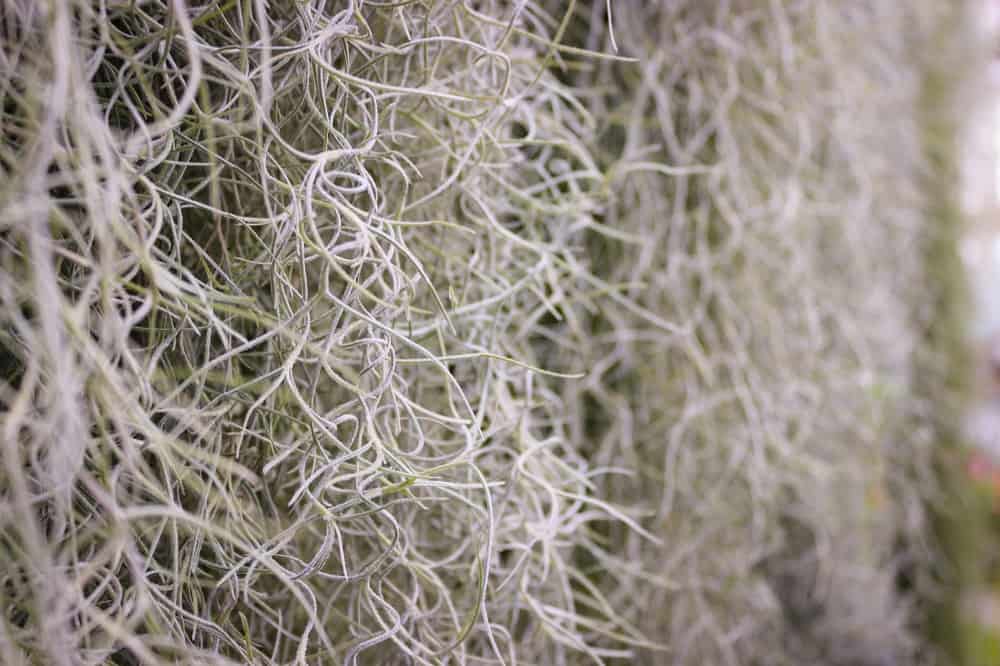
Spanish Moss (T. usneoides)

spanish moss

Most people recognize the eerie sight of Spanish Moss as it hangs in huge curtain-like swathes from the branches of oak trees.

It is not one huge plant but thousands of small, interconnected air plants.

The silver-leafed Tillandsias use the tree as their host to create a spectacular landscape.

T. Utriculata

Tillandsia Utriculata

This large air plant looks similar to the head of a pineapple. It has large greenish-grey leaves that open out from the center to absorb moisture.

The well created by the leaf formation stores water for use in dry conditions.

Many Everglades creatures take advantage and rely on the plant as a drinking source. Tree frogs, caterpillars, and even the odd snake settle in the art of the plant when the temperature is unseasonably high.

Catopsis

There are two primary species of catopsis native to The Everglades.

1. Berteroniana

This bright yellow plant prefers life attached high in the treetops. Its iridescent yellow glow and shimmering powdery wax coating have earned it the nickname ‘Jungle Lantern’

The Berteroniana collects water at its core, cleverly trapping insects within. As they decompose, the reservoir becomes nutrient-rich; possibly the reason why the plants are so widespread.

2. Floribunda

The Floribunda is much scarcer; it is a favorite of the Bromeliad weevil.

It prefers life in wet, shaded areas at the base of trees, where it grows more than 2-feet tall.

During the blooming phase, it has a multitude of small yellow and white flowers growing from a tall, central bract.

The Everglades cover 20,000km². Such a huge expanse of land covers many climates, including temperate North America and the tropical Caribbean. Hence, many of the 660 Tillandsia species grow there.

In Which Climates do Air Plants Grow?

If you’re considering investing in some air plants for around the home, it is important to understand where they come from. Their favored climates and humidity levels are the most accurate way of deciphering how to best care for them.

There are three primary categories of Tillandsia growing climates:

Hydric

Hydric climates are wet due to the higher amounts of rainfall they receive. Picture the Amazon River Delta with its abundance of tall trees, creating a dense leaf canopy, protecting and providing shade for all that grows beneath.

Another example of a hydric climate is the windward side of the Big Island of Hawaii. Both are perfect environments for the native species of air plants that prefer growing in or near water.

Hydric climate air plants are rarely sold as house plants; most retailers only stock from Mesic and Xeric climates.

Mesic

tillandsia bulbosa
T. Bulbosa

Mesic climates see less rainfall than hydric ones; however, the plants remain most throughout most of the year.

Most mesic regions are in Latin American jungles, where the leaf canopies result in high humidity levels. Although there tend to be rainy and wet seasons, there are enough dry periods in between for the plants to dry out.

Air plants from mesic climates have shiny or waxy green leaves. They have fewer, less visible trichomes.

They enjoy lots of humidity, so enjoy steamy kitchen and bathroom positions. Just as in their native mesic habitat, the plants don’t tolerate direct sunlight and enjoy plenty of irrigation.

Abdita Multiflora, Bulbosa Belize, Guatemala, and Butzii are examples of some common mesic Tillandsia species.

Xeric

tillandsia in desert
Tillandsia Growing in the Desert

Xeric climates are the aridest of all. Conditions are more extreme than in mesic zones. Their native habitat is desert regions where the plants grow amongst rocks.

Xeric air plants are usually easier to recognize. The leaves are softer shades of green and silver, with a ‘fuzzy’ texture caused by the heavier concentration of leaves and trichomes. The plants have to work harder for moisture and food as they inhabit regions prone to drought.

The lighter green also leaves reflect sunlight on exceptionally hot, sunny days.

Tillandsias from xeric climates are hardy and resilient; they are ideal for novices as they thrive even during short periods of neglect.

Just as in their natural environment, xeric air plants tolerate less frequent watering and some direct sunlight.

Many Ionantha species, Harrisii, and Xerographica are some popular xeric Tillandsias.

Final Thoughts

Air plants come from humid regions and tolerate various warm climates. Cultivated Tillandsias need circumstances close to resembling their native habitats to flourish.

But, don’t let this deter you; frequent misting, occasional feeding and just the right amount of light are all the resilient plants need to thrive indoors.

Air Plant Fertilizer Spray: Purpose Explained

In their native environment, air plants absorb moisture and all nutrients necessary to their existence from the damp and humid atmosphere.

It is possible to successfully grow them at home, even though the air is different from their natural habitat.

Specialist air plant fertilizer sprays ensure they get all of the nutrients Tillandsias need to thrive. It isn’t essential to feed air plants, but it aids growth, encourages blooming and formation of off-sets.

What are Air Plants

what are air plants

Tillandsia – the genus of plants widely known as air plants, are epiphytes. Their root system is for anchoring them to a substrate; they don’t need soil for feeding purposes.

They are not parasitic; air plants don’t drain anything from their host.

Tillandsia leaves are covered in a series of tiny, hair-like cells called trichomes. They are minute reservoirs that absorb and store moisture, light, and nutrients from the air.

Air Plant Fertilizer Spray

air plant fertilizer

Garden and pot plants typically grow in soil; that’s where fertilizer is added. Tillandsias don’t need soil to grow; the only way to feed them is directly onto their leaves as part of their watering regimes.

There are many specialist air plant feeds available. Look for Bromeliad (the family to which the Tillandsia genus belongs) or Tillandsia fertilizers.

Many products are available as ready mixed solutions in spray bottles with adjustable jets.

Some air plant fertilizers come in highly-concentrated, powder-form. Directions on the packaging explain the exact quantities for mixing. It is the ideal product to use for dunking/soaking plants or to decant into spray bottles.

Fertilizing isn’t a substitute for watering air plants; they should run concurrently as part of routine care.

Never be tempted to use traditional houseplant fertilizer; it is too strong for Tillandsias and may contain copper or zinc, both are toxic to air plants.

How to Make Home-made Air Plant Fertilizer Spray

Home-made air plant fertilizer is cheap, easy to make, and chemical-free.

If you don’t like the idea of gathering moss, a quick online search will show local stockists.

What to Look for in an Air Plant Fertilizer Spray

air plant fertilizer ingredients

Air plant fertilizer contains a mixture of healthy nutrients, including nitrogen, phosphorus, and potassium.

The best products contain low-level nitrogen, although vital to the plant’s well-being, too much leads to nitrogen burn, resulting in its death.

Tillandsia fertilizer should be non-urea-based. Urea formulae use bacteria in soil, converting it into a usable form for plant growth. Air plants don’t need soil, urea won’t process without it, so it is futile.

When to Fertilize Air Plants

Over-fertilizing is one of the biggest killers of air plants; they cannot tolerate exceptionally high levels of nutrients; Avoid it by fertilizing plants once per month.

If you notice the leaves beginning to blush, an additional spray of fertilizer is fine. The plant is reaching full maturity, will soon bloom, and grow off-sets (pups)

It is the most energy-intensive season for the plant; a little additional food is received gratefully.

The best time to fertilize air plants is directly after watering; their trichomes are open and most receptive.

Spray the leaves sufficiently that excess solution starts to run off. It is imperative to leave the plants in a well-aerated space to dry thoroughly before returning them to their position.

If you’re adding the fertilizer to the monthly soak, give the plants sufficient time to dry. With most Tillandsia, this should take around 4-hours.

Air plants that don’t dry out are prone to rot eventually, leading to their death.

If your particular air plants have a bulbous base or are rosette-style, it is worth spraying them in an upside-down position. It prevents water from stagnating at the heart of the plant.

Final Thoughts

If you have an excellent irrigation schedule for your Tillandsia (using only pond or aquarium water) there is a chance that your plants are already receiving most of the nutrients and minerals they need.

But, even then, using a plant-specific, specialized air plant fertilizer spray can encourage healthy growth and bloom.

Monthly fertilizing helps to keep air plants in top condition, with enough energy to grow several pups.